Mithila Painting
From Village Courtyards to Your Living Room
Authentic Mithila (Madhubani) paintings—hand-drawn with natural pigments by award-winning women artisans from Bihar, India.
Handmade • Natural Colors • Certificate of Authenticity • Worldwide Shipping
MithilaPaintings.com – Hand-Painted Madhubani Art from the Heart of Mithila
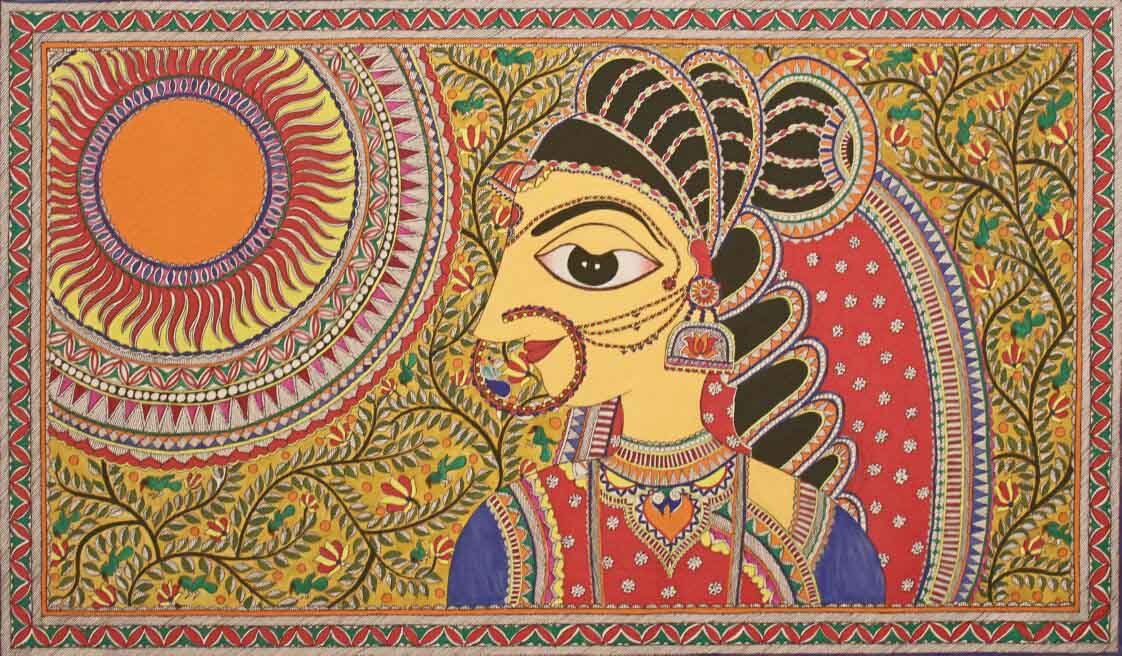
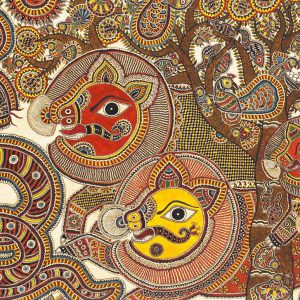
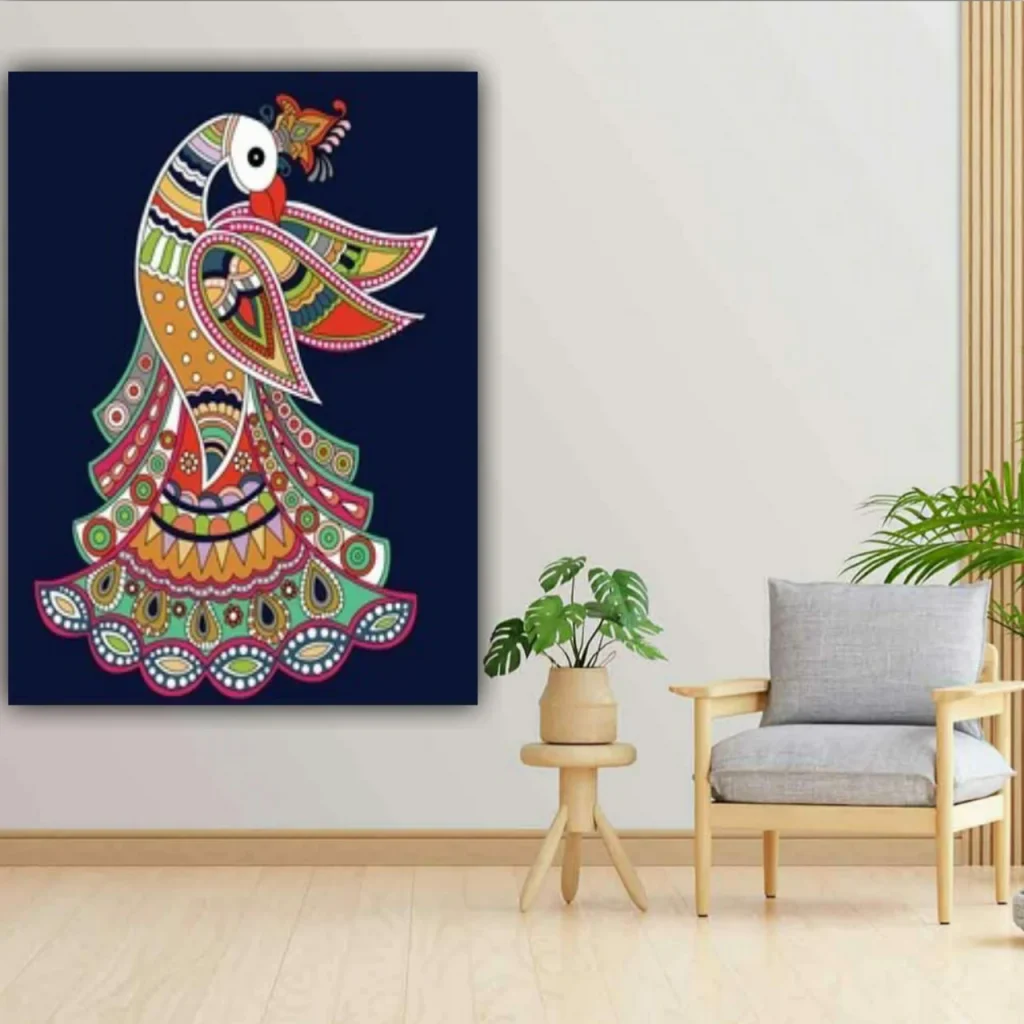
Madhubani Painting, also known as Mithila Painting, is one of India’s oldest and most cherished folk art traditions. Originating from the Madhubani district of Bihar, this art form reflects the cultural richness, spirituality, and natural beauty of Mithila. Once created as Bhitti Chitra (wall paintings) on freshly plastered mud walls, Madhubani art today adorns cloth, canvas, handmade paper, wood, sarees, and even home décor items—bringing centuries-old tradition into the modern world.
Origin and History of Madhubani Art
The roots of Madhubani paintings trace back to the era of King Janaka of Mithila, who ordered the city to be decorated with paintings for Sita’s wedding with Lord Rama. Thus, every wall of Mithila became a canvas celebrating divinity, love, and prosperity.
Although originally practiced by women artists, today both men and women in villages like Jitwarpur, Rajangarh, Ranti, and Rasidpur carry forward this heritage. The art gained global recognition when a British officer, William G. Archer, discovered these intricate wall paintings during the 1934 Bihar earthquake. To preserve this tradition, artists began painting on paper and cloth, turning Madhubani art into a treasured collectible worldwide.
Themes and Symbolism in Madhubani Paintings
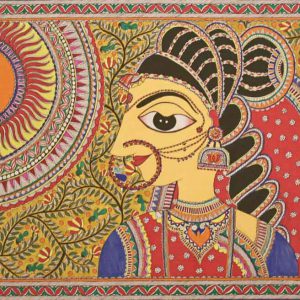
Every Madhubani painting tells a story through its vivid colors, fine patterns, and symbolic motifs. Artists fill every inch of the canvas with flowers, leaves, birds, and geometric borders, ensuring no space is left empty—a signature of the style.
Common themes include:
-
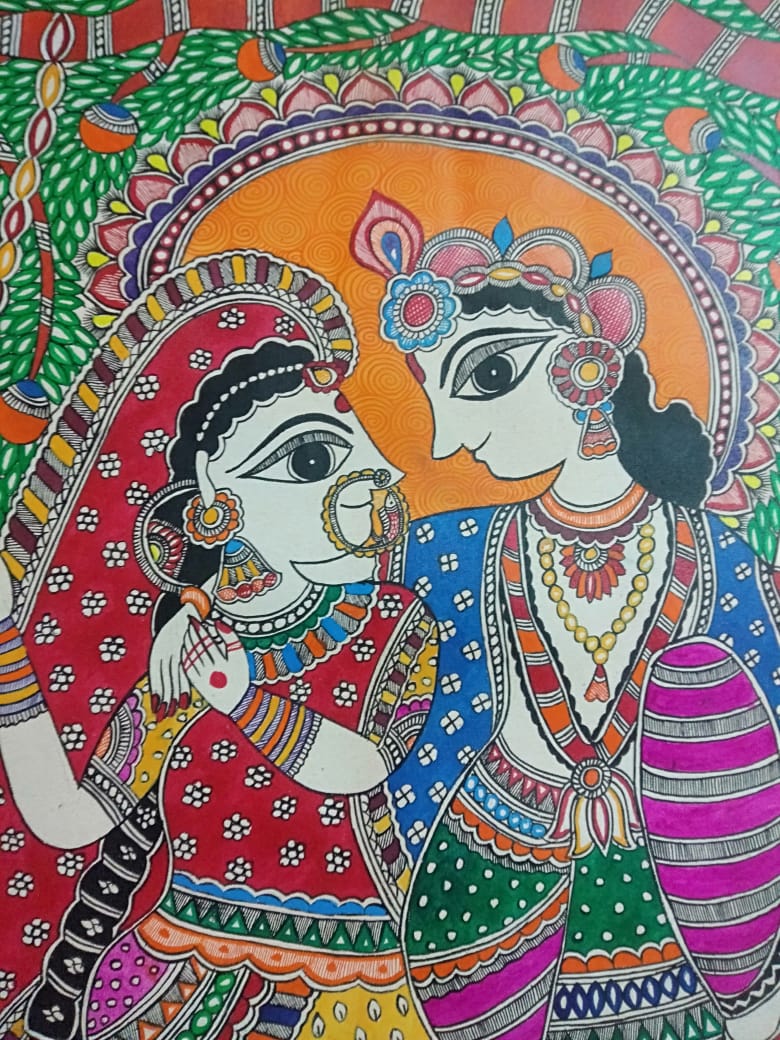
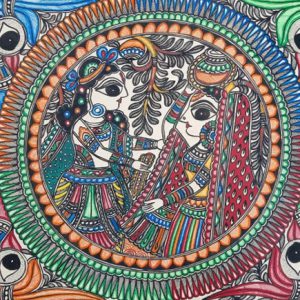
Hindu Mythology: Depictions of Radha-Krishna, Ram-Sita, Shiva-Parvati, Maa Durga, and Lord Ganesha.
-
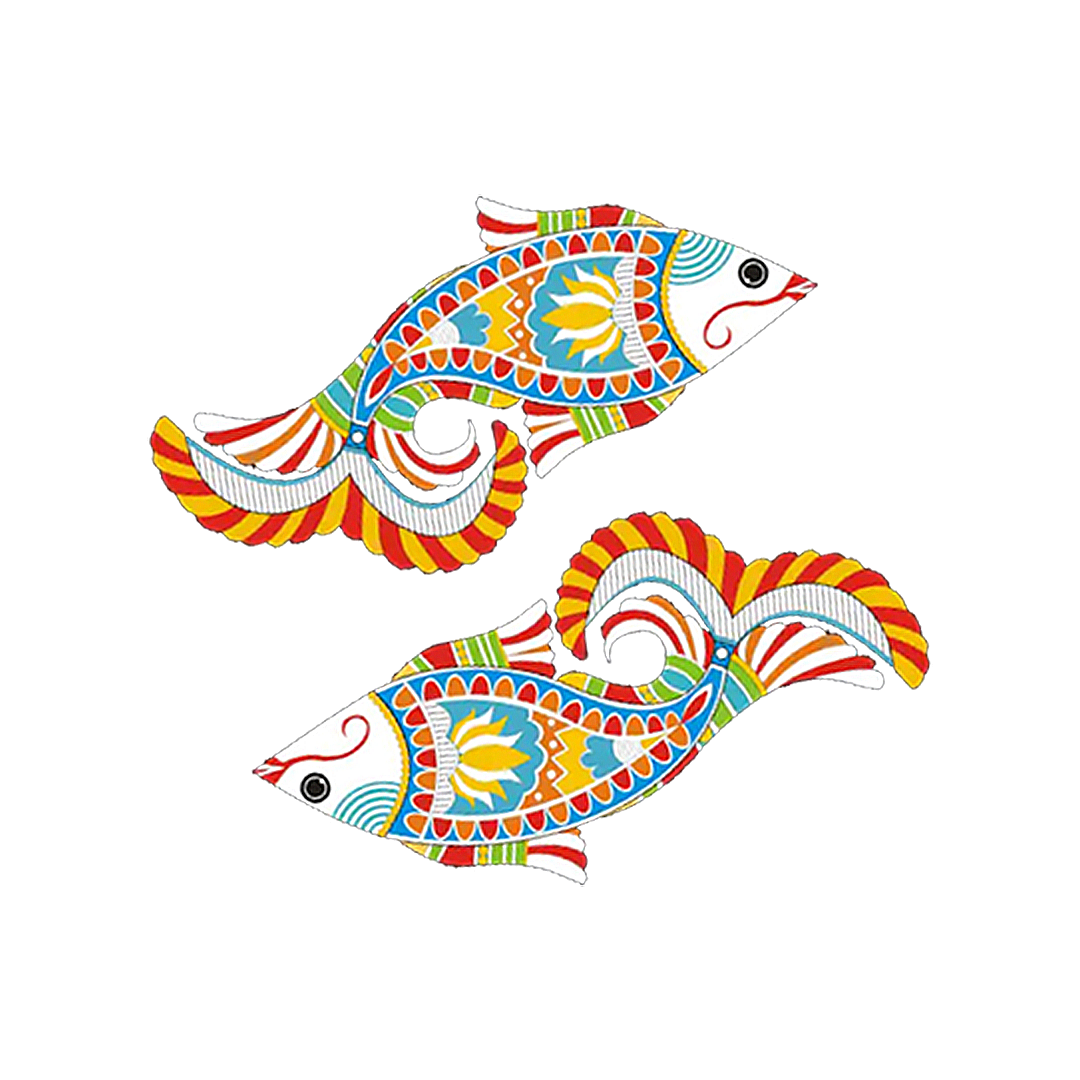
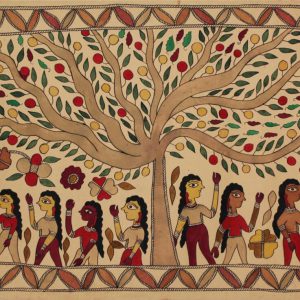
Nature & Animals: Fish symbolize fertility, elephants signify strength and loyalty, peacocks represent love and knowledge, and trees symbolize longevity and growth.
-
Social Messages: Many artists use Madhubani motifs to raise awareness about environmental protection, women empowerment, and harmony with nature.
Different Styles of Madhubani Paintings
There are five major styles of Madhubani art, each with a distinct character and storytelling approach:
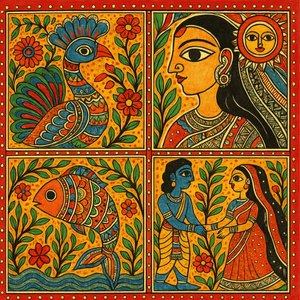
The Bharni style of Madhubani painting is characterized by its rich use of vibrant colors and bold black outlines. This form traditionally focuses on depicting Hindu deities and mythological stories, such as Radha-Krishna, Shiva-Parvati, and scenes from the Ramayana or Mahabharata. The word “Bharni” means “to fill,” and true to its name, every section of the canvas is filled with color, leaving no space untouched. This style celebrates the divine essence of Indian culture and is one of the most visually captivating forms of Mithila art.
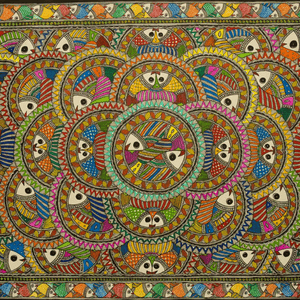
The Kachni style of Madhubani painting is known for its intricate line work and detailed patterns instead of bright colors. Artists use fine hatching and cross-hatching techniques to create depth and texture, often using only two contrasting tones—commonly black and red or black and green. This minimalistic approach highlights the precision and patience of Mithila artists. The Kachni form is often used to portray daily life, rituals, and nature, making it a stunning representation of simplicity and sophistication in Mithila painting.
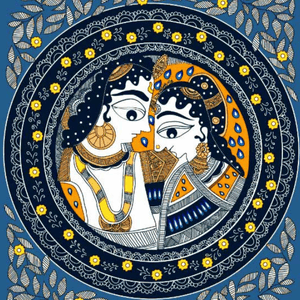
The Godhana style of Madhubani painting draws inspiration from traditional tattoo motifs that have long been part of rural Mithila culture. Created using bamboo pens and natural black ink (lampblack), this form of art features geometric patterns, tribal symbols, and animal motifs that were once used in ritualistic body art. The Godhana style is symbolic of protection, identity, and spirituality, bridging the ancient tattoo traditions with the fine art heritage of Mithila paintings.
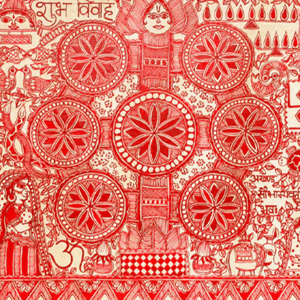
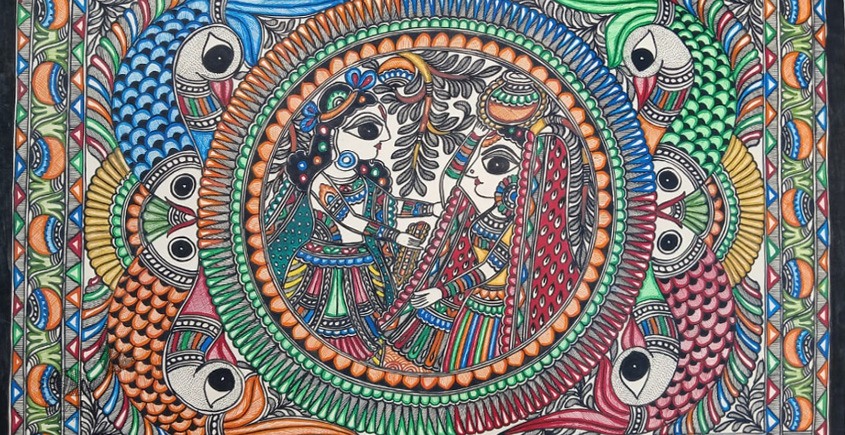
The Kohbar style is one of the most sacred and symbolic forms of Madhubani art, often painted during wedding ceremonies. Traditionally created on the walls of the bride and groom’s home, the Kohbar paintings represent fertility, love, union, and prosperity. Common motifs include the bamboo tree, fish, lotus, and divine couples like Shiva-Parvati or Radha-Krishna. The circular patterns used in Kohbar signify the eternal bond of marriage, making it an auspicious and spiritually rich form of Mithila painting.

The Tantric style of Madhubani painting delves deep into the realm of spirituality and divine energy. Influenced by Tantric philosophy, this style depicts powerful deities, cosmic symbols, and sacred geometries like the Sri Yantra. Tantric Madhubani art often features gods and goddesses such as Kali, Durga, and Shiva in their energetic forms. With its bold imagery and mystical appeal, this style represents the union of art and meditation—expressing the spiritual essence of Mithila through form, color, and sacred geometry.
Spiritual Connection with Feng Shui and Vaastu
Interestingly, Mithila paintings share a spiritual link with Feng Shui art and Vaastu Shastra. Both art forms believe in channeling positive energy through symbolic imagery—such as lotus (purity), fish (prosperity), and birds with trees (longevity and balance). Keeping Madhubani art in homes is said to attract peace, love, and good fortune.